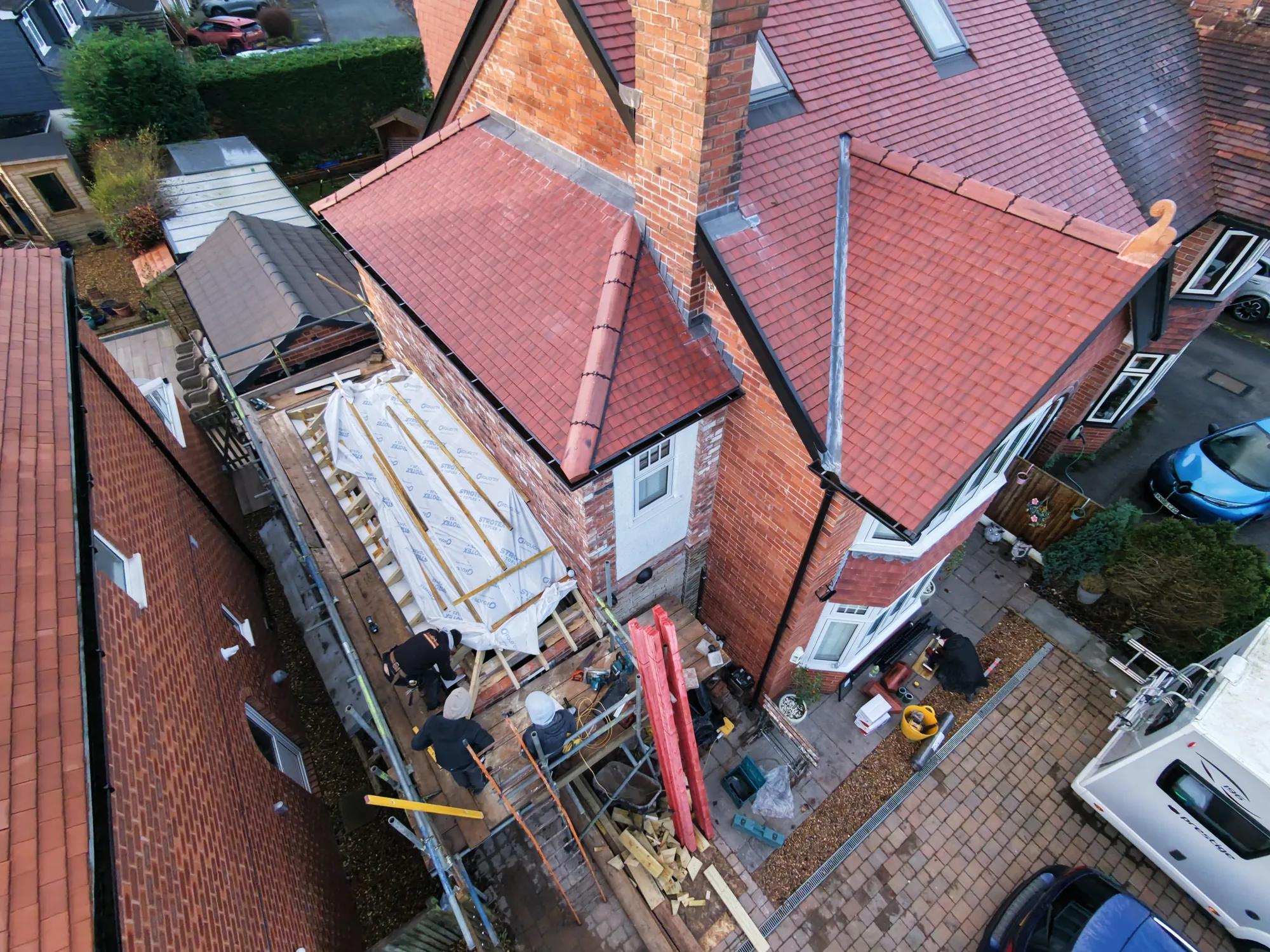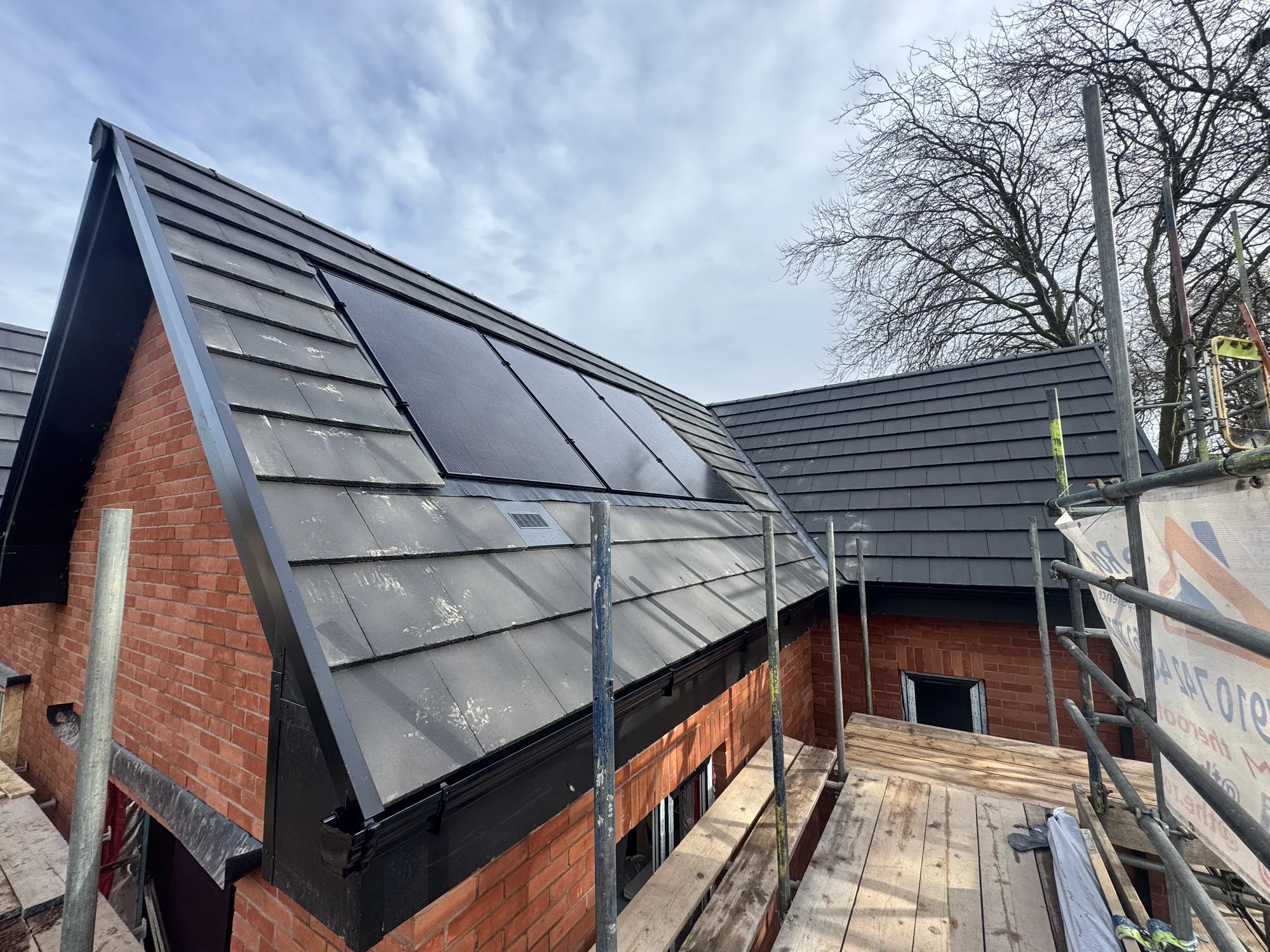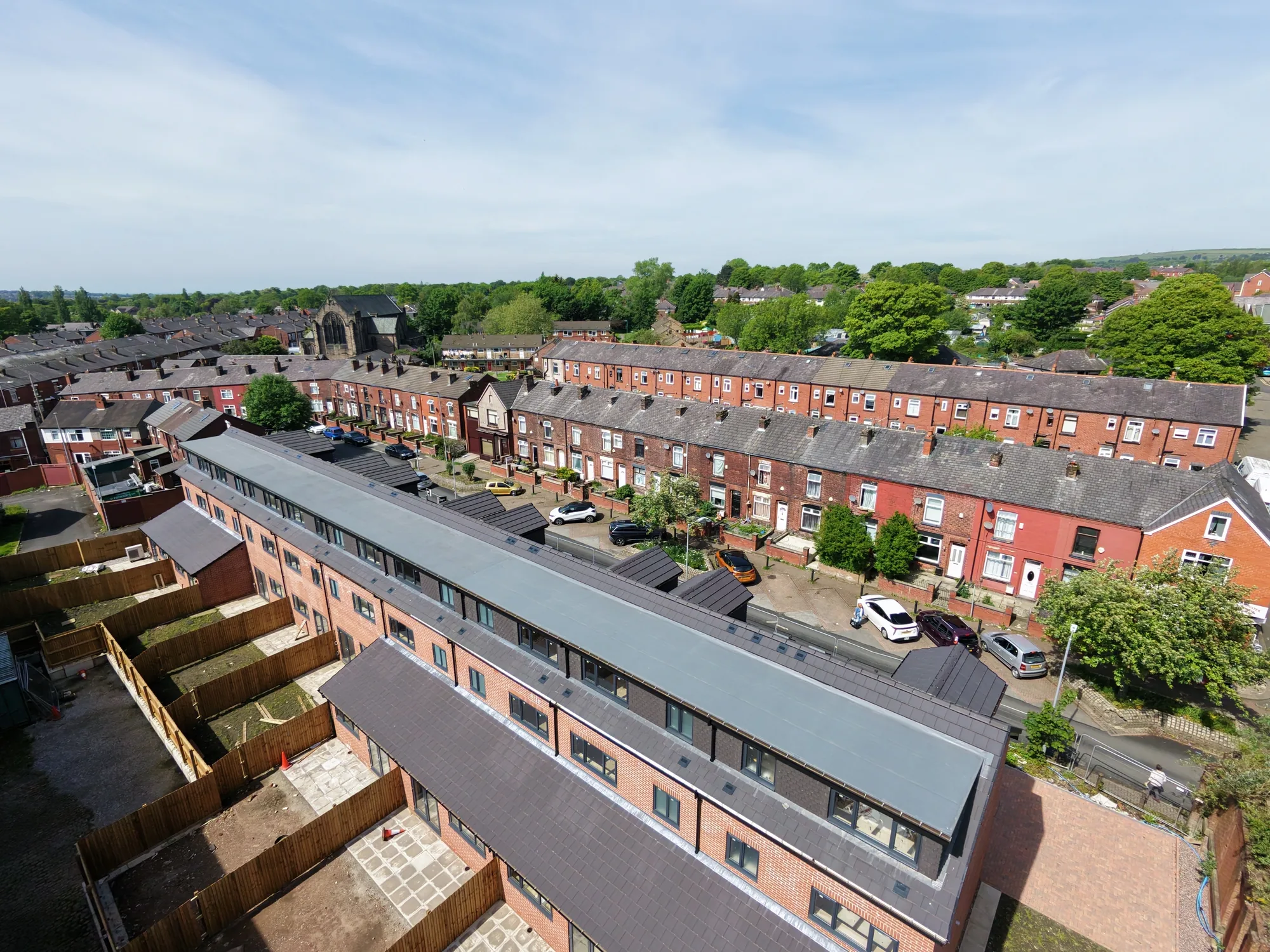
Roofing quotes vary because they often cover very different work. One may be a full strip and re-roof with new membrane, battens, dry ridge, fresh leadwork and a guarantee, while a cheaper one overlays the old roof or reuses materials. To compare fairly, check that each quote covers the same scope, materials, leadwork, scaffolding, waste removal, guarantee and VAT, so you are comparing like for like rather than apples with oranges.
It is one of the most confusing parts of getting work done on your home. You have two or three roofers out, you ask them all for a price on the same roof, and the quotes come back thousands of pounds apart. It is easy to assume the cheapest must be the bargain and the dearest must be trying it on. In truth, the gap is almost always down to what each quote actually includes. One might be a full strip and re-roof, and another might be a quick cover-up of the old covering. This guide explains what really drives the price, so you can compare quotes properly and pick the right one for the right reasons.
What Actually Drives the Price
Two quotes can describe themselves as a new roof and mean completely different jobs. The price follows the work, and the work varies far more than most homeowners realise. These are the things that genuinely move the number up or down.
- Full strip and re-roof versus an overlay: A proper re-roof strips the old covering, battens and perished underlay back to the timbers and rebuilds from there. A cheaper approach may simply lay a new covering over the old one, which costs less on the day but hides whatever is failing underneath.
- Quality of membrane and battens: A good breathable membrane and correctly graded, treated battens are the roof's second line of defence. Thinner underlay and cheaper battens save money at quoting stage and cost you sooner down the line.
- Dry ridge and dry verge versus old mortar: Mechanically fixed dry ridge and verge systems are screwed down and hold firm in the wind. Bedding the ridge and verge in mortar is cheaper, but mortar cracks and lets go over time, especially on an exposed roof.
- New materials versus reused or reclaimed: New tiles or slates carry manufacturer guarantees and behave predictably. Reusing the old covering, or laying reclaimed materials of mixed age, keeps the price down but you inherit their remaining life, not a fresh start.
- Leadwork done properly versus skipped: Fresh lead flashings to valleys, chimneys and abutments keep a roof watertight at its weakest points. Reusing tired lead, or sealing over it with cheaper alternatives, is a common corner to cut and a common place for leaks to return.
- Scaffolding versus ladders: Proper scaffolding is safer and lets the roofers work well, but it is a real cost. A quote that skips scaffolding in favour of ladders may look cheaper while cutting a corner on safety and quality.
- Waste removal and skip hire: Stripping a roof produces a lot of waste. Removing it responsibly and hiring a skip costs money, and a quote that leaves that out is not really comparing the whole job.
- Guarantee and insurance behind the work: A workmanship guarantee and proper public liability insurance are part of what you are buying. They cost the roofer to stand behind, and a price that does not include them is cheaper for a reason.
- VAT: One quote may show a price plus VAT and another may quote a headline figure with no mention of it. Until you know whether VAT is included, you are not looking at the same number.
Once you see the list, the gap between quotes usually makes sense. The point is simple: you can only compare apples with apples, not apples with oranges. A full re-roof and a quick overlay are two different jobs, and the prices should be different too.
Why a Cheaper Quote Is Often Cheaper for a Reason
A much lower price is not automatically a bad thing, but it is always worth asking why. More often than not, the saving comes from something left out rather than a better deal on the same work. Here is where the difference tends to hide.
- Corners that cost more later: Overlaying an old covering, skipping the membrane or reusing tired leadwork keeps today's price down, but the failures it hides tend to surface within a few years, often costing more to put right than doing it properly first time.
- Cheaper materials in the same clothing: Two roofs can look similar from the ground and be built to very different standards underneath. Thinner underlay, lower grade battens and mortar bedding all trim the price and shorten the life.
- No guarantee to fall back on: If there is no written workmanship guarantee, a problem that appears after the job is finished becomes your problem, not the roofer's.
- No insurance behind the work: Working at height carries real risk. A roofer without proper public liability cover is a saving on paper and an exposure for you if something goes wrong.
None of this means the dearest quote is automatically the best either. It means the sensible move is to understand what each price buys, so a low number is a genuine saving rather than a job that has quietly been made smaller.
Want a Quote You Can Actually Compare?
Call Mark on 07910 742482 for a free, itemised quote across Blackpool and the Fylde Coast. We set out exactly what is included, so you can weigh us up against anyone else fairly.
Get a Free QuotationThe Fylde Coast Factor
Where your roof sits matters, and the Fylde Coast is a demanding place to keep one watertight. Salt-laden air, driving rain off the Irish Sea and strong onshore winds all punish a roof harder than they would inland, and they punish shortcuts hardest of all.
- Wind finds the weak points: Mortar-bedded ridges and verges, and coverings that are not properly fixed, are exactly what strong coastal winds lift first. The corners a cheaper quote cuts are often the ones the weather tests soonest here.
- Salt and weathering: Coastal air is tougher on fixings, flashings and older coverings, so a roof built down to a price tends to show its age sooner on the coast than the same roof would elsewhere.
- Built for the exposure: When we re-roof near the sea we detail for the conditions, specifying the right ridge, verge and leadwork for the property and roofing system so the roof stands up to the wind rather than needing patching after every big blow.
On this coast, the extra a proper specification costs at quoting stage is usually the part that saves you money over the years. It is worth factoring that in when a much cheaper price looks tempting.
What a Proper Written Quote Should Itemise
The best way to compare quotes fairly is to insist each one is written down and broken out clearly. A good quote is easy to read and leaves you in no doubt about what you are paying for. Look for these details set out in writing.
- The scope of work: Whether it is a full strip and re-roof or a repair, and exactly which areas of the roof are covered.
- The materials: The specific tiles or slates, the membrane and the battens, so you know what is going on and can check the guarantees.
- Ridge and verge method: Whether the ridge and verge are dry fixed or bedded in mortar.
- Leadwork: What lead flashings are being renewed at valleys, chimneys and abutments.
- Access: Whether scaffolding is included and priced in.
- Waste removal: Whether stripping and disposing of the old roof and skip hire are part of the price.
- Guarantee and insurance: The workmanship guarantee offered and confirmation of public liability cover.
- VAT: Whether the figure includes VAT or has it added, so the total is clear.
When two quotes are itemised like this, the reason for any price difference is usually obvious at a glance. If a quote is just a single figure with no breakdown, ask for the detail before you compare it with anything.
Questions to Ask Any Roofer
You do not need to be an expert to quote fairly, you just need to ask the same few questions of everyone. Put these to each roofer and the answers will line the quotes up properly.
- Is this a full strip and re-roof, or an overlay of the existing covering? This single question explains most of the gap between quotes.
- What membrane and battens are you using? It tells you the quality of what sits under the tiles, where the corners are usually cut.
- Are the ridge and verge dry fixed or bedded in mortar? Important anywhere, and especially on an exposed coastal roof.
- Is new leadwork included, or are you reusing the old? Leadwork is a common place for leaks to return if it is skipped.
- Is scaffolding and waste removal included in the price? Both are real costs, and leaving them out makes a quote look cheaper than it is.
- What guarantee do you offer, and are you insured? A written workmanship guarantee and public liability cover are part of the job, not extras.
- Is the price inclusive of VAT? So you are comparing final totals, not one figure with VAT and one without.
Ask everyone the same questions and you take the guesswork out of it. A good roofer will be happy to answer all of them, because a clear quote is easier to stand behind.
How We Quote
The way we quote is built around making all of this easy for you. We survey the roof properly, then set out a clear, itemised written quote so you can see exactly what is included and compare us with anyone else on a like-for-like basis.
- A proper survey first: We look at the roof before we price it, so the quote reflects your roof rather than a rough guess from the ground.
- Everything itemised: Scope, materials, ridge and verge method, leadwork, scaffolding, waste removal, guarantee and VAT are all set out, with no hidden extras.
- Honest advice: If a repair would do rather than a full re-roof, we will tell you. We would rather give you the right advice than sell you more work than you need.
- Backed properly: Every re-roof and new roof is covered by our 15-year workmanship guarantee, and we carry £2m of public liability insurance, so the price you pay is a job that is genuinely stood behind.
Our quotes are free and there is no obligation. It is a big part of why our customers rate us 5.0 on Google, and it means whatever you decide, you are deciding with the full picture in front of you.
Frequently Asked Questions
Usually because it includes less work. A cheaper quote may overlay the old covering rather than strip and re-roof, use thinner membrane and cheaper battens, bed the ridge in mortar instead of dry fixing it, reuse old leadwork, skip scaffolding, or leave out waste removal, the guarantee or VAT. Ask what is actually included and the reason for the gap is nearly always clear.
Not automatically, and not the dearest either. The right approach is to understand what each price buys, so you know whether a low figure is a genuine saving or a job that has quietly been made smaller. A cheaper quote that cuts corners often costs more later when the hidden problems surface. Compare like for like first, then choose on value rather than the headline number.
A proper written quote should set out the scope of work, the specific materials (tiles or slates, membrane and battens), whether the ridge and verge are dry fixed or bedded in mortar, what leadwork is being renewed, whether scaffolding and waste removal are included, the workmanship guarantee and insurance, and whether the price includes VAT. When a quote is itemised like this, comparing it with another is straightforward.
No. Our quotes are completely free and there is no obligation. We carry out an initial assessment of the roof, set out a clear itemised written quote, and leave the decision entirely with you. If a repair would do rather than a full re-roof, we will tell you that too, because honest advice is how we prefer to work.